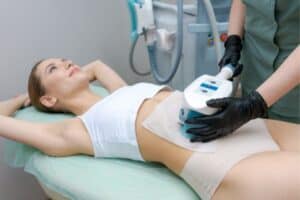
Considering HIFU or RF Microneedling but unsure what you need to do before your appointment?
Perhaps you’ve been researching ways to address changes in skin firmness, fine lines or uneven texture. You may already have a treatment in mind, or you might still be comparing the options.
Either way, preparation involves more than arriving with freshly cleansed skin.
At LA LIPO, we offer HIFU and Collagen Lift Therapy, our RF Microneedling treatment. Both use energy-based technology, but they work differently, have different risks and require an individual suitability assessment.
This guide explains what to discuss before booking, how to prepare your skin and what to expect during recovery.
What Is HIFU Treatment?

HIFU (High-Intensity Focused Ultrasound) uses focused ultrasound energy to heat selected areas of tissue beneath the skin.
The procedure is used in cosmetic treatments intended to address concerns such as mild skin laxity and changes in facial or body contours. The controlled heating is designed to produce a tissue response associated with collagen remodelling.
HIFU is non-surgical and doesn’t involve needles entering the skin. It can still cause discomfort and carries risks, including burns, altered sensation and unintended tissue injury.
It should not be considered equivalent to a surgical facelift.
What Is Collagen Lift Therapy (RF Microneedling)?
Collagen Lift Therapy is LA LIPO’s RF Microneedling treatment.
It combines fine needles with radiofrequency energy. The needles enter the skin, while radiofrequency energy produces controlled heating within the treated tissue.
The procedure is intended to encourage processes associated with tissue repair and remodelling.
RF Microneedling has been investigated for cosmetic concerns including:
- Fine lines and wrinkles
- Uneven skin texture
- Certain types of acne scarring
- Mild skin laxity
- Changes in skin appearance associated with ageing
Not everyone is suitable, and improvements in these concerns cannot be guaranteed.
Is Collagen Lift Therapy the same as Morpheus8?
No.
Morpheus8 is a specific branded RF Microneedling system. Although it belongs to the same general treatment category, LA LIPO does not use the branded Morpheus8 machine.
Our treatment is called Collagen Lift Therapy.
Different devices can have different specifications, safety guidance and clinical evidence. Results reported for one machine should not automatically be assumed to apply to another.
Your practitioner can explain the equipment LA LIPO uses and what it means for your proposed treatment.
How Should You Prepare for HIFU or RF Microneedling?
Good preparation starts with understanding whether the treatment suits your skin and medical history.
Here are some practical points to consider before your appointment.
1. Arrange a Consultation Before Treatment
Your consultation is an opportunity to explain what bothers you about your skin and what you hope treatment might achieve.
Your practitioner should assess the proposed treatment area and discuss your medical history.
Be prepared to mention:
- Existing skin conditions or active infections
- Current medication, including prescribed skin treatments
- Previous cosmetic procedures, fillers or implants
- A history of poor wound healing or unusual scarring
- Pregnancy or breastfeeding
- Pacemakers, implanted electronic devices or relevant metal implants.
- Previous pigmentation changes after skin injury
These details can affect treatment suitability.
Your practitioner should also explain the possible complications, limitations and alternatives before you decide whether to proceed.
2. Protect Your Skin From Excessive Sun Exposure
Sunburned or irritated skin may not be suitable for treatment.
Avoid sunbeds and take sensible precautions against excessive UV exposure before your appointment.
Using appropriate broad-spectrum sunscreen can help protect exposed skin.
If you’ve recently experienced sunburn, significant tanning or a reaction to a skincare product, tell your practitioner.
Your appointment may need to be postponed until your skin has recovered.
3. Review Your Skincare Products
Some skincare ingredients can leave the skin more sensitive or irritated, particularly when used frequently.
Products worth discussing include:
- Retinoids and retinol
- Exfoliating acids, including AHAs and BHAs
- Strong exfoliating treatments
- Prescription acne preparations
- Other products that cause peeling or irritation
You may be advised to pause certain products before RF Microneedling, but the timing should depend on the product, your skin and the treatment protocol.
Don’t stop prescribed medication or prescription skincare without advice from the healthcare professional responsible for it.
If you’re uncertain about a product, ask your practitioner before making changes.
4. Tell Your Practitioner About Recent Cosmetic Treatments
Have you recently had fillers, anti-wrinkle injections, chemical peels, laser treatment or another energy-based procedure?
Make sure your practitioner knows.
Previous treatments can influence which areas are suitable and how soon another procedure can be considered.
There isn’t one universal waiting period that applies to every treatment combination.
Your practitioner should check the relevant equipment guidance and your individual circumstances before recommending an appointment.
5. Keep Your Skin Comfortable and Well Cared For
You don’t need an elaborate skincare routine before your appointment.
Gentle cleansing, suitable moisturising products and sensible sun protection are usually more useful than introducing several new active ingredients.
Avoid experimenting with strong products immediately before treatment.
Maintain your usual fluid intake. Drinking excessive amounts of water has not been shown to guarantee better HIFU or RF Microneedling results.
If your skin becomes unusually dry, inflamed or uncomfortable, contact your practitioner before the appointment.
6. Prepare the Treatment Area on the Day
Your practitioner should explain any preparation required for the specific procedure.
You may be asked to leave the treatment area free from makeup, heavy creams or other products.
The skin will also need to be cleaned and prepared appropriately before treatment.
If you’ve developed a cold sore, skin infection, rash, open wound or other new concern in the proposed treatment area, let the team know before your appointment.
Treatment may need to be rearranged.
What Happens During a HIFU Appointment?
The practitioner should check your treatment area and confirm that nothing has changed that affects your suitability.
A suitable ultrasound gel is generally applied before the device is used.
The practitioner then delivers focused ultrasound energy according to the treatment plan and equipment instructions.
You might notice warmth, tingling or uncomfortable sensations beneath the skin.
Some people find certain areas more sensitive than others.
Tell your practitioner if you experience significant or unexpected pain.
What Happens During Collagen Lift Therapy?
RF Microneedling involves a different preparation and treatment process.
After the skin has been assessed and cleaned, a suitable topical anaesthetic may be used where appropriate.
The device introduces fine needles into the skin while delivering radiofrequency energy at selected settings.
You may feel pressure, warmth, prickling or discomfort.
Following treatment, the area may appear red or swollen, with temporary pinpoint marks or sensitivity.
Because RF Microneedling involves needles entering the skin, infection prevention and appropriate aftercare are particularly important.
Your practitioner should explain the expected reactions and provide written aftercare guidance.
What Are the Risks of HIFU and RF Microneedling?
Neither treatment should be described as completely safe or risk-free.
Although they are non-surgical cosmetic procedures, complications can occur.
Possible HIFU side effects and complications
These may include:
- Redness, swelling or tenderness
- Temporary discomfort
- Bruising
- Altered sensation, including numbness or tingling
- Burns or blistering
- Unintended injury to deeper tissue
- Changes in facial or body contour, including unwanted fat loss
- Nerve injury or persistent sensory changes
Possible RF Microneedling side effects and complications
These may include:
- Redness and swelling
- Tenderness or bruising
- Pinpoint bleeding or temporary crusting.
- Infection
- Delayed healing
- Burns or blistering
- Hyperpigmentation or hypopigmentation
- Scarring
- Unintended fat loss or deeper tissue injury
Pigmentation changes may be particularly concerning for people with darker skin tones or a history of post-inflammatory pigmentation.
Some complications can be prolonged or permanent.
Your practitioner should explain the risks relevant to the treatment area, device and your medical history.
What Should You Expect After Treatment?
Recovery differs between HIFU and RF Microneedling.
After HIFU
Some people experience temporary redness, tenderness, swelling or altered sensation.
Others may have more persistent discomfort or complications requiring assessment.
Your practitioner should explain when you can resume your usual skincare and activities.
After RF Microneedling
The skin may be red, swollen or sensitive following treatment.
Temporary pinpoint marks, dryness or crusting can also occur.
Your practitioner should give you instructions covering cleansing, skincare products, makeup, sun protection and activities to avoid during the initial healing period.
Don’t pick at crusts or disturb healing skin.
Seek prompt medical advice if you develop worsening pain, spreading redness, increasing warmth, discharge, significant blistering or other unexpected symptoms.
Can HIFU and RF Microneedling Be Combined?
Some people consider both treatments because they target tissue in different ways.
HIFU delivers focused ultrasound energy, while RF Microneedling combines needles with radiofrequency heating.
However, using both doesn’t automatically produce better results than having either procedure separately.
Combining treatments can also introduce additional risks.
The decision should be based on your skin, medical history, the equipment involved and the relevant treatment protocols.
Having both procedures on the same day isn’t automatically appropriate.
You can read more about LA LIPO’s Ultimate Lift & Tighten Treatment.
Who Might Not Be Suitable for Treatment?
There are circumstances where HIFU or RF Microneedling may need to be avoided, delayed or discussed with an appropriate healthcare professional.
These include:
- Pregnancy
- Certain implanted medical devices
- Relevant metal implants
- Some medical conditions affecting healing
- Medication that could affect your skin or how it heals
- Cosmetic treatments you’ve had recently, including fillers, laser procedures or chemical peels
- Previous problems with scarring or wounds taking longer than expected to heal
- Skin conditions, sensitivity or a tendency to develop pigmentation changes
These are just some of the things your practitioner will need to know about before treatment. Each device has its own safety guidance, so what may suit one person won’t necessarily suit another. Your practitioner should review your medical history and assess your skin before deciding whether to proceed with treatment.
Frequently Asked Questions About Preparing for HIFU and RF Microneedling
Should I stop using retinol before RF Microneedling?
You may need to pause retinol or other potentially irritating skincare products before treatment.
The recommended timing depends on the product, your skin and your practitioner’s protocol.
Ask for individual advice rather than assuming every retinol product requires the same preparation.
Does RF Microneedling require numbing cream?
A topical anaesthetic may be used where appropriate.
This depends on the treatment protocol and your individual circumstances.
Numbing products don’t eliminate every sensation or remove the risks associated with treatment.
How long does RF Microneedling take to heal?
Redness and swelling may settle within several days, but recovery isn’t identical for everyone.
Some people experience prolonged sensitivity, pigmentation changes or complications that require further assessment.
Your practitioner should explain what to expect and when to seek medical advice.
Can HIFU and RF Microneedling be performed on the same day?
Not necessarily.
Whether the procedures can be combined in one appointment depends on the devices, treatment settings, skin assessment, and the manufacturer’s instructions.
Separate appointments may be more appropriate.
How many sessions will I need?
There isn’t a standard number suitable for everyone.
Your practitioner should explain the proposed treatment plan, the reasons for recommending any additional sessions and the total expected cost.
More treatments don’t guarantee better results.
Will HIFU or RF Microneedling give me facelift results?
Neither procedure should be expected to reproduce the effects of a surgical facelift.
They work differently from surgery and have different limitations.
Some people may notice cosmetic changes following treatment, while others may see little improvement.
Can I have treatment if I have sensitive skin?
Sensitive skin doesn’t automatically rule out treatment, but the cause and severity of your sensitivity matter.
Active inflammation, certain skin conditions or a damaged skin barrier may affect suitability.
Your practitioner should assess your skin before recommending either procedure.
Are the results permanent?
Permanent results shouldn’t be assumed.
Skin continues to change with age, sun exposure, and other influences.
Any cosmetic improvement may also diminish over time.
Your practitioner should explain realistic expectations and whether future treatment might be appropriate.
Is Collagen Lift Therapy suitable for every skin tone?
Not automatically.
RF Microneedling may be considered for different skin tones, but there is a risk of pigmentation changes, including post-inflammatory hyperpigmentation.
Your practitioner should assess your skin characteristics, pigmentation history and the suitability of the specific device.
What should I do if I develop a skin infection before my appointment?
Contact your practitioner before attending.
An active infection in or near the treatment area may mean the procedure needs to be postponed.
Seek medical advice if the infection is worsening or you have concerning symptoms.
Can I return to work immediately after treatment?
That depends on the procedure and your individual response.
Some people return to their usual routine relatively quickly after HIFU, although discomfort or swelling may persist.
RF Microneedling can leave visible redness, swelling and temporary skin marks.
Discuss recovery and any planned commitments before booking.
Preparing for Your LA LIPO Consultation
If you’re considering HIFU or Collagen Lift Therapy, the first step is to understand what the procedure involves and whether it is right for you.
At LA LIPO, our team can discuss available treatment options, explain the equipment used, and provide information about preparation, possible complications, and aftercare.
We offer mobile cosmetic treatment services, with appointment availability depending on your location and the procedure requested.
You don’t need to decide on a treatment before enquiring.
Contact LA LIPO to discuss your skin concerns, available services and consultation arrangements.
Important information: This article is intended to provide general information about HIFU and RF Microneedling. Both procedures have limitations and carry risks, including burns, pigmentation changes, infection, scarring and unintended tissue injury. Results vary, and no particular improvement can be guaranteed. Treatment suitability requires an individual assessment, consideration of relevant medical history and adherence to the equipment manufacturer’s guidance. This information does not replace advice from a qualified healthcare professional.